I found this great YouTube channeling that does deep dives into worldbuilding. The YouTube video on Soft Wordbuilding is HERE.

I'll have to whip up a post about RPG implications at some point when time permits.
I found this great YouTube channeling that does deep dives into worldbuilding. The YouTube video on Soft Wordbuilding is HERE.
I'll have to whip up a post about RPG implications at some point when time permits.
So, you're making an RPG and need rules, or else re-evaluating an old RPG that doesn't suit your needs. You've got your numeric skeleton, your narrative flesh, and somehow you've got to sew them together with silver threads of reality.
(NB: This is for old school games. I understand that 'story games' often compose the corpus in a different way)
There are a few ways to think about different levels of abstraction, their attendant complication, and the verisimilitude they engender.
At this level, the rules are made to emulate the real world as faithfully as possible. D&D's meticulous calculation of weight coin by coin fits this, with Encumbrance as lbs of objects. This may be great for modern games, but as I've noted before, it is a mismatch for fantasy. How does an elf know how many kilograms something is? Also, counting the weight of coins is about as much fun as watching paint dry.
Abstraction - low
Complication - high
Verisimilitude (to reality) - high / (to gameworld) medium
Fun - low
At this level, the rules are made to emulate reality as it should exist within the game system.
For example, if Encumbrance is a number of items based on STR, and the size of the item modifies how many Encumbrance points are used. Daggers are 1 ENC, short swords 2, long 3, and greatswords 4, to give rough examples. Takes some getting used to, but by excising real world units the integrity of the game world is preserved, at the expense of learning the new system of measurement.
Abstraction - medium
Complication - medium
Verisimilitude 1 (to the game) - high
Fun - medium
At this level, the rules are made to reflect the reality of the game world. In D&D, wizards cannot wear armor. Why? Because it is a trope of that world.
Similarly, if we make Encumbrance as number of weapons and armor carriable according to class, then this buys into the world, but ignores mechanics such as STR. This is the site of conflict between story conventions and mechanics.
Abstraction - high
Complication - medium
Verisimilitude - low
Fun - medium
At this level, players are expected to ROLEplay, and thus no rules are made. The old Stormbringer and Cthulhu went this way. Open to abuse unless GM and players are big fans of the genre / source material and police themselves accordingly.
Abstraction - high
Complication - low
Verisimilitude - medium
Fun - medium
Conclusions
From health to abilities, all aspects of an RPG can be seen this way. Add to the fact that different GMs and players want or expect different things, the choice becomes fraught with potential for division.
As for me, when RL abates and I can return to my project, Level 3 will be my aim. For an IP, world based reality is the goal.
(This is another ancient backlog I am pushing out)
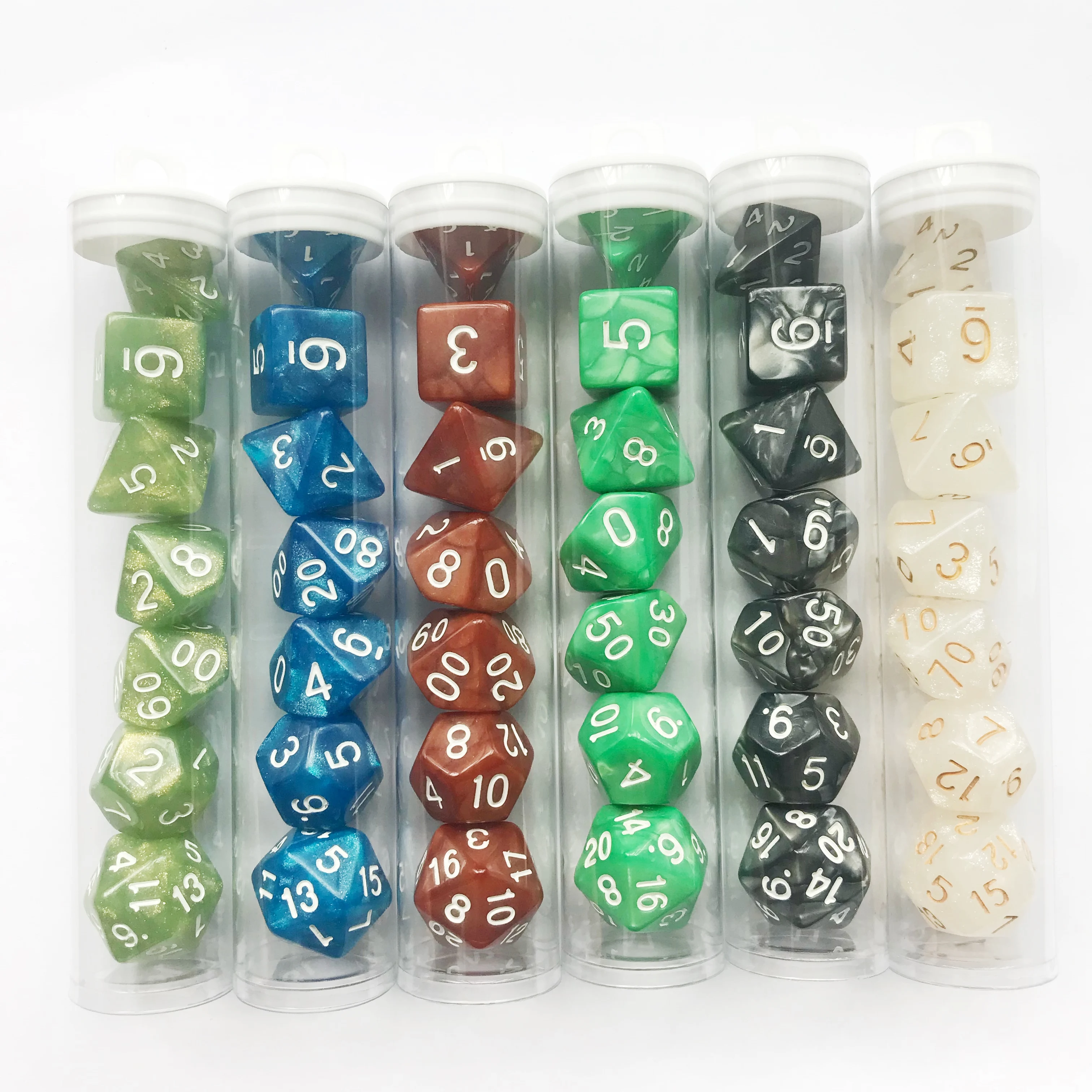
The dice tube is held by the noob, the gal or guy getting into the hobby. The bag of dice marks you as half LARPer or true roleplayer, for it is your purse of sparkling treasures. The halfway point between the two is the Crown Royal bag, when the roll player is emerging from the chrysalid the only way they can - with the help of alcohol.
This is, of course, for fantasy roleplayers. Scifi or horror gamers are happy with the dice tube, as it relegates the dice to chance generators, and not fetishes or totems from an imaginary world.