Showing posts with label semiotics. Show all posts

Saturday, January 3, 2026

Stormbringer Redux # 28 - Was Stormbringer The Wrong Name?

I've been thinking Stormbringer thoughts in my limited spare time.


What if Chaosium got the semiotics of Moorcockean game naming all wrong?

(NOTE - This is just a fun mental exercise about my first gaming love. I have huge respect for Willis, Stafford, Peterson and Campbell-Rogers and would not dare to actually accuse any of them of being 'wrong'. The games they made have stood the test of time, but are also products of their time before the RPG market became the demographic-targeted Kickstarting industry it is now. So in that light, and with tongue firmly in my cheek, I proceed in my analysis.)

Stormbringer is not the name of the protagonist, which is confusing for newbies, but that would emphatically come later with Elric! To be fair, these games came out when Moorcock's popularity was at its peak, so eliciting the albino and his runesword were not bad decisions. Then they made a D20 version during the 3E glut, when arguably younger generations of fantasy enthusiasts had also presumably moved on in their reading, and they chose Dragon Princes of Melnibone. Not the most resonant or representative name or ruleset.

Naming the game after the hero continued with Hawkmoon, and Darcsyide followed this trend years later with Corum (not Corum! I note).

Naming a game after an IP's protagonist is, on the one hand, resonant for hardcore fans. But naming a game after a single hero is limiting - Serenity is not named Mal, the RPG. Conan and James Bond seem to be the exception here.

The original FRPG games were named after their setting, so as to appeal to players as a site where they could be the heroes of new adventures.

Forgotten Realms.

Dark Sun.

Ravenloft.

Planescape.

All very resonant, mysterious names.

So what if instead of Stormbringer (or Elric! or Mournblade), which do not have popular appeal they once might have had, we named the next iteration after the setting instead of the characters?

Stormbringer et al become The Young Kingdoms. Hmmm, sounds like a Percy Janes novel. How about Melnibone?

Hawkmoon becomes The Jewel in the Skull. Or The Tragic Millenium. Or maybe Granbretan. Sounds like an AI generated Beatles' album.

Corum becomes The Red Robe or The (Silver) Hand & Eye. Or maybe Bro-an-Vadhagh. Or maybe The Fifteen Planes. Not very enticing.

These place names were made in a highly literary mode, and thus are not as succinct or enticing as other game-only worlds.

But maybe Chaosium had it right after all. Both Stormbringer and Hawkmoon prudly bore a sticker proclaiming them part of The Eternal Champion series of games.

How about we use this as the game name, and choose a resonant subtitle + blurb for each setting?

The Eternal Champion RPG.

Book One - The Doom of Melnibone. The gods of Law & Chaos have chosen your world as their battleground. Whose side will you fight on?

Book Two - Granbretanne Invasion. Repel the superscience armies of the evil empire that seeks to overrun post apocalyptic Europe.

Book Three - The Sword Gods. Free your world from the Chaos gods who warp its very reality.

Now we're getting somewhere.

I need to get to bed.


Sunday, March 27, 2022

On The Feel Of The Dice Part Two

(This is another ancient backlog I am pushing out)

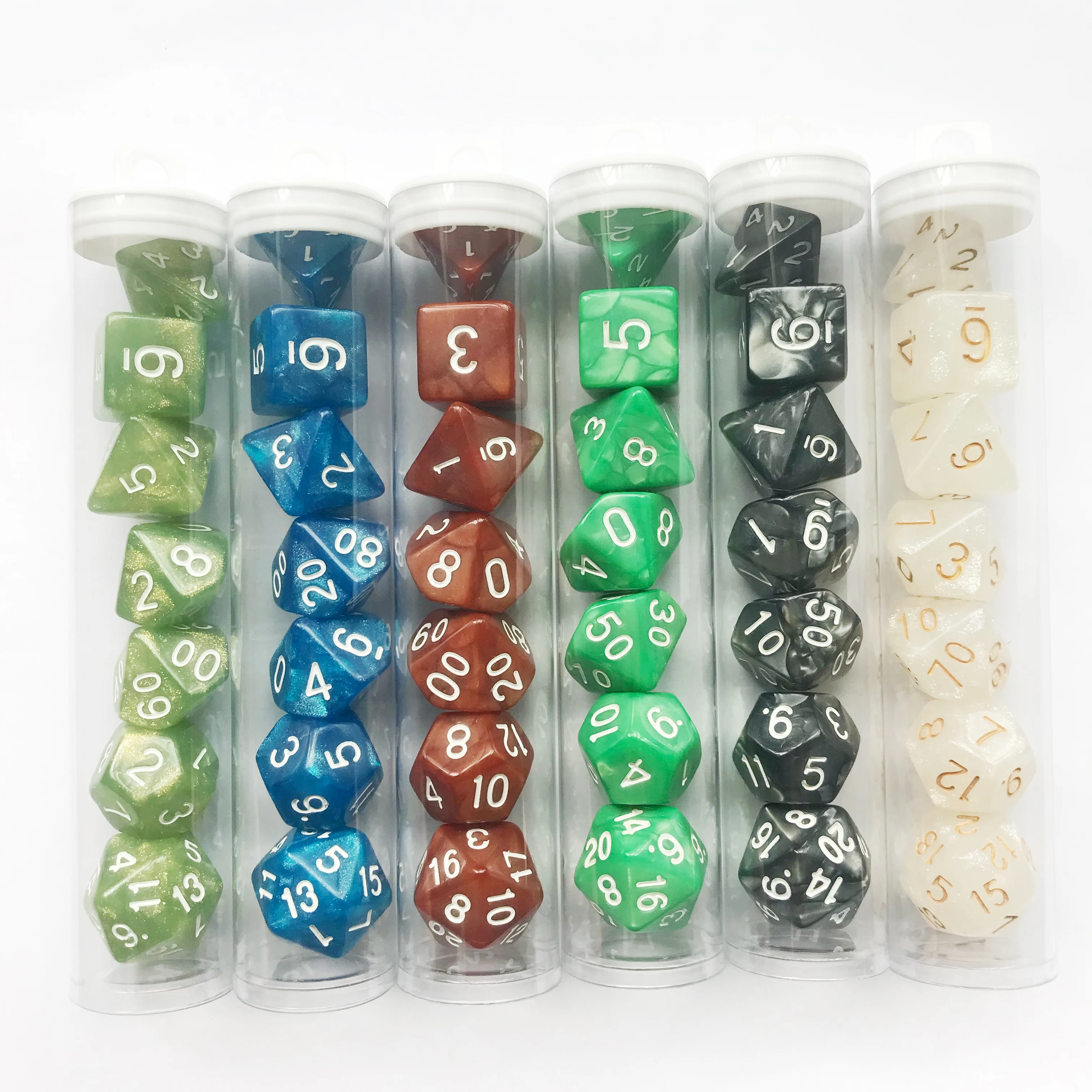
7 Pcs/set Desk Polyhedral Custom Dice 4/6/8/10/12/20 Pear Dnd Acrylic Dice  Set In Tube Packaging Or Dice Bag Multi Side Gaming - Buy Dice,Custom Dice, Dice Bag Product on Alibaba.com

The Dice Tube vs The Bag of Dice

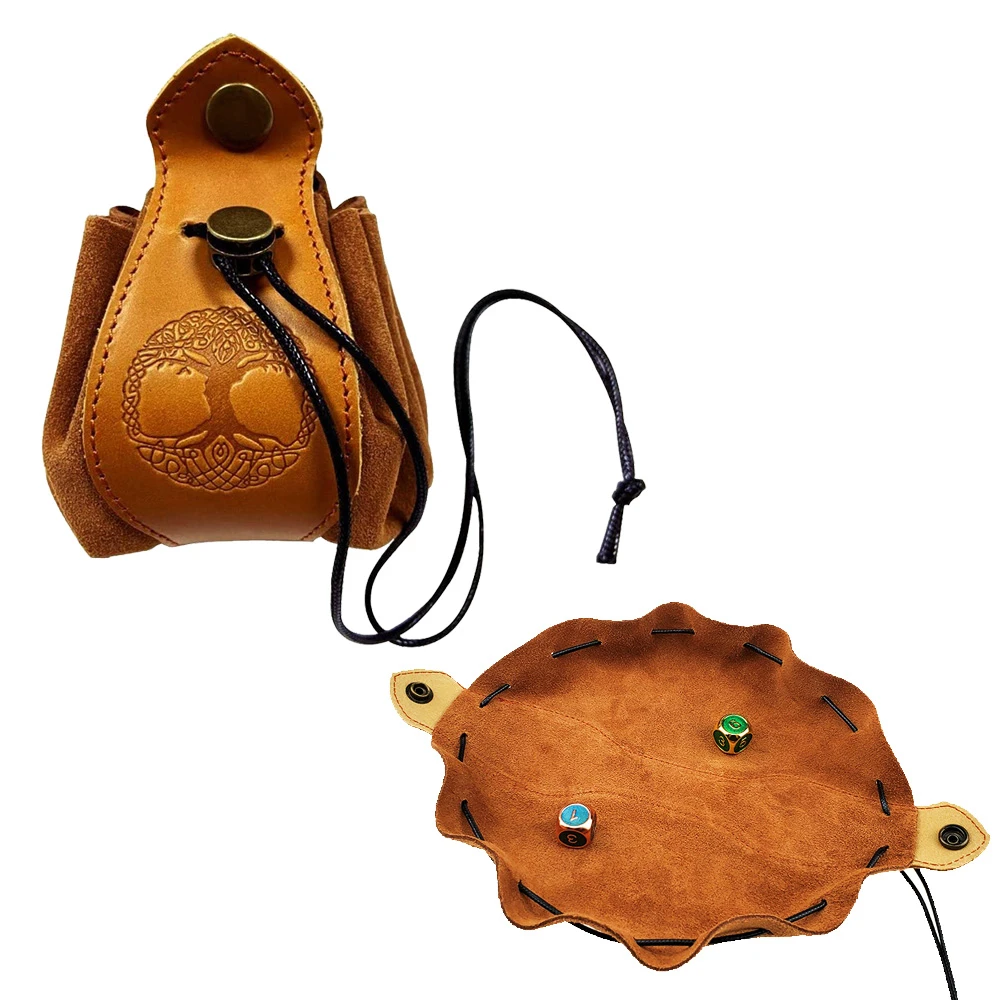
The dice tube is held by the noob, the gal or guy getting into the hobby. The bag of dice marks you as half LARPer or true roleplayer, for it is your purse of sparkling treasures. The halfway point between the two is the Crown Royal bag, when the roll player is emerging from the chrysalid the only way they can - with the help of alcohol.

This is, of course, for fantasy roleplayers. Scifi or horror gamers are happy with the dice tube, as it relegates the dice to chance generators, and not fetishes or totems from an imaginary world.

Rollooo Genuine Leather DND Dice Bag Tray 5 Celtic Designs Cute Drawstring  Pouch for D&D Roleplaying RPG Gift Ideas Coin Purse|Dice| - AliExpress

3d6

The old stalwart of character generation, expounded for the magical Bell Curve it produces. On the plus side, you could swap characters between any number of old systems (D&D, GURPS, BRP, DC, etc) without missing a beat. Seems to be going the way of the dodo considering Call of Cthulhu just relegated it to the nether realms. Still, dear to the heart of many a grognard (who all cheat and use 4d6 drop the worst or 2d6+6 anyway...).

That said, rolling 3d6 vs skills TRYING to get a low result in GURPS always felt dirty, like using your mother's China to feed the dog. This is why many GURPS collections gathered dust while BRP came to the fore with its d100...

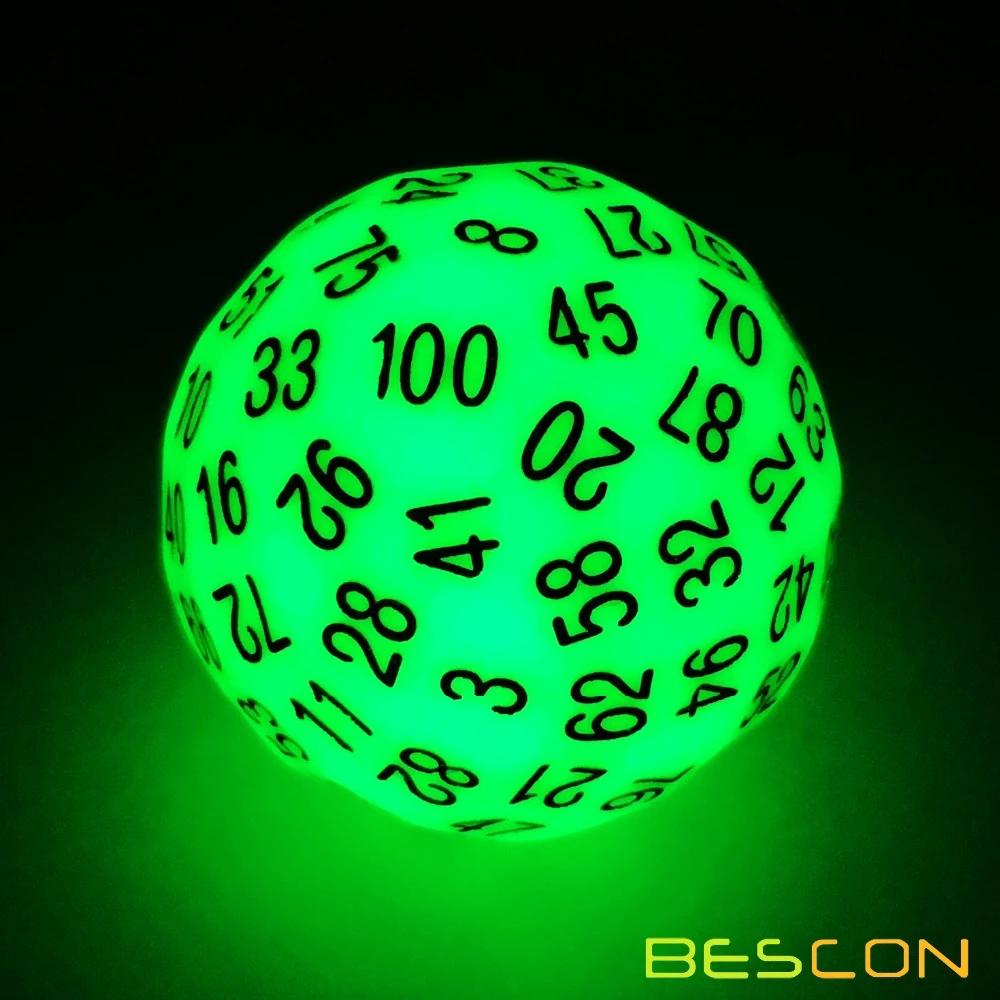
Bescon Super Jade Glow in Dark Polyhedral Dice 100 Sides, Luminous D100  die, 100 Sided Cube, Glowing D100 Game Dice|Strategy Games| - AliExpress

d100

Ostensibly the 'logical' choice for skills, since all real-world probability talk is done with percentages. The simple pass / fail dynamic quickly grew stale, and thus criticals & failures, normal and superior successes, etc etc all got tacked on. But the d100 remains the cold, hard stare of probability. Funnily enough, younger players have come to the table not knowing how to use them, a problem only compounded by online gaming. But other uses for the d10 soon came into vogue...


A Fistful of d10s

Vampire popularized the dice pool, which expanded everywhere a short few years before people grew tired of handfuls of dice and trying to add or match them all up. Small wonder that in the same year the late great Wujick published the Amber Diceless system. Speaking of...


Diceless

I played a game of Zombie Cinema and was refreshed to see story mechanics that put the choices and outcomes in player's hands, and was relieved to create a satisfying narrative together. Still, I think diceless requires an experience and integrity not all have, and so dice will never totally fade away. In fact, it seems to be going back to basics...


The New School D6

Mork Borg, Free League, and a ton of other avant garde games and designers have returned the lowly d6 to prominence. It is all you need for many new games, such as Lasers & Feelings, which hinges all action resolutions on opposing uses (roll high or low) of the d6. I guess the old Star Wars game was ahead of its time. Still, no one carries a d6 in a tube...

Monday, November 23, 2020

On the Feel of the Dice part 1

Polyhedral dice are the essential physical components of our hobby, as well as the symbols of the RPG. Do a Google image search for 'roleplaying games' and you'll get hundreds of images with dice like this one:

Sure, there are some diceless RPGs, but they feel like anomalies, like a step back to scissors, paper, rock. Dice make the game an adult hobby, like shooting craps in Vegas or dice in a back alley. 

Today, I'd like to channel my inner Roland Barthes / de Saussure and do some (tongue in cheek) semiotic analysis of the symbols and associations of the dice we use, the dice we love or hate, and the dice some of us hoard as totems of the games we seldom have time or opportunity to play.

Feel free to read out loud in your best Herzog voice.


THE SEMIOTICS OF DICE


Dice themselves are randomizers, the element of chance, the opportunity to win or lose that adds spice to the twin game of sitting around creating a narrative with strangers, and playing a character in that narrative. Ultimately, players are subject to the whims of the dice, and the GM is literally the master of the dice, who decides when and how they are used, and who has the right to throw them. Players who constantly nag the GM with "Can I roll for...?" are attempting to prize power back for their character.

Dice are thus signifiers of the chance element of RPGs, as well as the sign for the practice of playing the game itself. "Did you bring your dice?" is often the first question asked when one enters a roleplaying session, signifying your agreement to enter into the game of chance, as well as your readiness to enter into its praxis.

Dice can also be a burden on the praxis of RPGs - the game is supposed to be about ROLEplaying, and all the free wheeling that implies. Instead, the dice focus on ROLLplaying, nixing social interaction and dramatizing in favour of gaming and its focus on comparative advantage. Roleplayers are there to immerse into the gameworld through their backstory, rollplayers are there to win at the gaming table through their minmaxing, hence the use of dice lies at the heart of the tension in the game, between the shared narrative of actors and the competitive game of players. One of the duties of the GM is to balance the role playing with the rolls for playing, and as the now defunct Japanese RPG trade magazine Role and Roll's title implied, it is the roleplaying which should come first.


Due to the different range of probabilities in dice, coupled with their difference in shape, different dice thus have different feels in use. Today, I'd like to delve into these feels.

First, let's look at each of the dice in the traditional RPG 'dice tube'.

The d4


This dice is a let down, an anti-climax. Whether you are hitting with a dagger of choosing a cardinal direction, this alluring pyramid flows gracelessly through the air and lands with an unsatisfying thud. It is also read from the bottom whereas others are read from the top, making it an unsettling outlier. Also holds an aura of physical dread from the fear of trodding on a d4 hidden under the gaming table.

The d6


Familiar to all from its place in the boardgames of youth, available at a plethora of stores, the d6 radiates comfort and reliability. This is the reason why it was used for ALL damages and hit points in old D&D, and why it has seen a resurgence in modern story games from FATE and FUDGE to Free League and Gumshoe games. Modern designers try to make the dice exciting by deviating from the 6 numbered sides to the plus / minus d6 of FATE or the facehugger dice of Alien, but these are unnecessary attempts to make us love more the dice that is already a party of our gaming souls.

The d8


A step up from the d6, rolling damage or hit points with one of these feels slightly superior. Also, their utility in rolling direction, from an errant grenade to a compass point, makes having at least one per table seem a necessity. 

The d10


This seems at first glance a step up from the d8, but due to its larger range of probable outcomes, is viewed with distrust or disappointment when a 1 is rolled and potential thus squandered. Thus the d10 feels more useful when used as a d100% (see part two).

In fact, so far as I know, this is the dice most experimented with, the most given alternate uses. There is the original invention of using two d10s for generating ranges from 1 to 100, then the handfuls of d10s used against difficulty numbers seen in World of Darkness games, and now in Ironsworn and other Powered By The Apocalypse games, two d10s are used as Challenge Dice to generate degrees of success or failure for comparison against the player's d6 roll.

Is it because our mathematics is based on ten, as is our biology in fingers and toes, that the d10 seems like second nature to us, that we can adapt and evolve it so freely?

The d12


Clunky and unsatisfying like the d4, this still has a promise of higher results like the d8 or d10. I have seen a few RPGs and boardgames use this, but the long wait for this to stop trundling about the game table (and often on the floor) hardly seems worth it, and thus accounts for its relative obscurity.

The d20


THIS is a dice, a true symbol of the hobby, thanks in no small part to the hegemonic grasp of the corporate d20 system that bills itself the greatest RPG in the world. Make no wonder it features prominently on the RPGA logo - it is THE symbol of the hobby and the industry that feeds off it.

But there is also a latent potency in the dice itself, due to the inherent drama of the huge range of outcomes it offers, as well as the nail-biting wait for it to stop rolling and deliver one of these. There is a reason why the critical hit and the fumble feel more earned on the d20 then on just about any other dice, except for the d100 if you played a Chaosium game.


To Be Continued


NEXT SESSION


Dice Conglomerations

3d6

d100

d10s

The Dice Tube vs The Bag of Dice

Design Ramifications

Survey


Thursday, March 27, 2014

Farflung RPG ‘March Madness’ Blogwalk Days 26 and 27


I realize that by calling this blog challenge ‘Non-D&D’ I am conversely attesting to what a huge footprint that game has left on the hobby. It is close to being a proprietary eponym like “Let’s Google it.” “Let’s D&D” is understood to mean roleplaying, and does not always mean TSR’s game.

Therefore I think for the last week of this challenge I won’t be acknowledging D&D in the title. Once again, I don’t hate D&D, I just would rather give the nod to other great games without constantly harkening back to Gary’s game.

Anyway, on with the show!

Other blogs can be found HERE. It is over a dozen now, so I am pretty happy with that.

The questions can be found HERE. They’ve proven not to be perfect, but they are stimulating some good discussions and sharing of experiences.

26 What RPG based on an IP did you enjoy most? Give details.

For official products, I’d have to say my old first love Stormbringer was the most fun I had with an IP product. The wonky chargen, the deadly combat, the demon summoning just screamed Elric to me, and was a welcome relief from the intricate spells and level grinding of Gary’s game. Second runner up would be The Watchmen sourcebook for the DC RPG. Although I never got to play it, it was one finely crafted product, and any fan of the comics would be proud to have it on their shelf. It has even inspired me to write a Watchmen scenario explaining why the Keene Act was proposed, one that I hope to put on this blog someday.


Although it is not an official, licensed Walking Dead product, I’d have to give mention to Kreg Mosier’s The Dead again. Whereas DC was not a great fit for the gritty world of Watchmen, The Dead nails its subject matter in terms of fear and character interaction. Grab it if you haven’t already.

27 What IP (=Intellectual Property, be it book, movie or comic) that doesn’t have an RPG deserves it? Why?

Wow, tough question. I think just about all of my itches have been scratched – Stormbringer, Star Wars, TMNT, Watchmen, Robotech, Firefly, and The Dead allow me to play in the gameworlds that are most alive to me because of their sources. I suppose the only IP missing would be Kentaro Miura’s Berserk, a great dark fantasy manga series about Gotts, a maimed swordsman who goes about slaying demons let loose in the world by his old comrade-at-arms, Griffith, while trying also to save his lover, warrior-woman Casca, whose mind was savaged in the same mass demon summoning that destroyed Gotts’ right eye and left hand.


Berserk has spawned some PS games, an anime series, and a recent series of gorgeously animated movies. Some people are turned off by the preamble part of the story when Gotts is traveling with Griffith and Casca before the summoning, but stick with it and the intricate art, amazeballs fantasy action, and philosophic meanderings pay off in spades. Dark Horse apparently does an English version, but the Japanese original is at the same time amazingly well-written but done in an archaic style that fits the genre but requires some work to understand.

Sunday, February 23, 2014

T Minus 4 Days & Rechristening the Editions


Four days left till the March Madness Obscure RPG Blog Challenge! I feel like a kid counting down to Christmas a bit. I am sure some of you feel the same.

Today I’d like to suggest a way to put the Edition Wars behind us and appreciate each edition for its own merits. Words are not innocent, and the simple step of re-naming the editions would do much to clear away the cobwebs of edition snobbery that still cling to the OSR.


Another issue is that numbering editions is soulless, doesn’t capture the charm of the game, and is offputting gibberish to newcomers to the hobby. I still remember being confused by the acronyms BX, BECMI, LBB etc when I started reading OSR blogs back in the day. With this in mind, I’d like to propose a re-naming of the various editions to reflect their natures and merits.


OD&D = D&D Origins
The original edition of the Little Brown (or white) Books were all about beginnings: beginning of the hobby, beginning of a game, beginnings for the character and the saga they are in. What better name, then, than Origins to represent the ancestor of all RPGs?


BX, BECMI = D&D Heroes
Holmes, Basic Redbox and its additions all fleshed out the characters so that the Fighting Man became the Fighter, Clerics of basic pantheons were detailed, Magic Users gained a wider selection of spells, and the Thief crept into the mix. With these additions, all the heroes of fantasy fiction were truly represented – you could have Conan, Friar Tuck, Gandalf, and finally the Grey Mouser in your party. The increase in advancement details for all classes also put the hero’s journey front and center, and so ‘Heroes’ is a fitting name for this edition.


AD&D = D&D Journeys
Although this edition further extended the flexibility and range of character choices, it focused more on journeys to exotic locales than the characters themselves. Adventure titles began to reflect this tendency - Descent into the Depths of the Earth, In Search of Adventure, the Hidden Shrine of Tomoachan and other AD&D era titles focus on the journey and not merely the heroes who undertake it, and thus provide the perfect moniker for this edition.


AD&D 2e = D&D Worlds
Here character abilities and rules had stabilized and, with the plethora of splatbooks, been fully fleshed out. This completion of character lead to the creation of entire worlds for exploration – make no wonder that this edition saw the greatest increase in gameworlds, both the good (Ravenloft, Al Qadim), the Badass (Dark Sun, Spelljammer), and the Ugly (Mazatlan, anyone?).


3e = D&D Heroics
The third edition of D&D went back to characters and upped the ante, adding a plethora of Feats and Powers that codified heroics, giving the perfect title for this game (besides Pathfinder). The only anomaly here was the Midnight setting, whose grimdark nature was a poor fit for a game of heroic feats and was better suited to the always lethal BRP (Age of Shadows RPG anyone?). Granted, I never played a full session of this edition, so if anyone with experience can suggest a better moniker I am all ears.


4e = D&D Battle Masters
I did, however, play some 4e, and although the length and intricacy of chargen made me cry a little, setting out the battlemat and moving figures across the board seemed a great strategic addition to the game. As many have noted, it plays like a video game, which is a feature not a bug when it comes to combat. If the ‘theatre of the mind’ of earlier editions and the lack of power choices left you cold, and if you liked playing in front of a PC screen as much as a DM screen, then this was the edition for you.


D&D Next = ?
If WoC is smart at all, they will add some sort of moniker to their new game instead of just a number. Although fans may be excited by the 5 behind the name, the average person is hesitant to start watching a movie or reading a book starting from the 5th in the series, and so it is with games.

As Zak S and others have noted, you can have fun with any edition if you get into it. My intention with these re-namings is to promote that sense of enjoyment with all editions, and I hope I have succeeded a little bit.

Tuesday, February 4, 2014

Semiotics of the 6 Attributes


At a glance, the six original attributes of D&D seem elegant in their simplicity and symmetry. There are three physical stats (Strength, Constitution and Dexterity) and three arguably mental ones (Intelligence, Wisdom and Charisma). For anyone who started roleplaying with the game, it is largely by these 6 that we define all our characters, as well as judge how other RPG systems emulate them. But what do these terms actually signify, and does this match what they do in practice?

(NOTE - All pictures are the first Google image result for the attribute in question) 

STRENGTH


This was the first attribute handed down by uncle Gary (Men & Magic p. 10), and has arguably become the most important. Although it began as merely the mark of class for Fighters, coupled with a nebulous application to “opening traps and so forth,” it developed into the characteristic allowing the most direct influence on the gameworld via damage, attacks, and feats of strength against barriers. But the word by itself is vague enough to be nearly meaningless. Would the uninitiated think we are talking physical or mental strength? People say “I haven’t the strength to go on” after mental or physical duress, which would seem to make this term closer to Constitution. In this light, having undead drain Strength seems rather more fitting. Overall, wouldn’t ‘Brawn’ have been a clearer, more apt word to use?

INTELLIGENCE


Where Strength fails in D&D Intelligence prevails, specifically in the form of magic, which is probably why this was the second attribute. Once again, it starts as merely a mark of class, namely Wizards, and gradually comes to determine all spell access, languages, and proficiencies. Although there are other collocations of the word such as ‘military intelligence,’ in general the term conjures up the associations of scholarship and mental prowess it is intended to. If there is one flaw, it is that intelligence is normally paired with reason and logic, and one wonders how these are supposed to interact with the illogic of magic. Perhaps Intuition would have better served that purpose, but Intelligence would still have been necessary for skills and languages.

WISDOM


This is an odd choice for the third attribute, as it would seem less important in keeping a character alive than Constitution or Dexterity which follow it. It begins as a mark of class like its precedents, this time for Clerics, and later affects magic saves, although not for any discernable reason other than to spread out benefit among the attributes. Wisdom would also imply a character’s ability to see connections in what they observe about the world, but since this is mostly done by the player, one wonders whether Wisdom is necessary at all, and whether retroclones like Microlite 74 haven’t the right idea by replacing both Intelligence and Wisdom with Mind.

CONSTITUTION


This is an equally odd lexical choice. Definitely not an everyday usage for the word, with the online database of the Corpus of Contemporary English (COCA) overwhelmingly giving the political or legal meaning of the word as the most popular. Still, we use it in talk of ‘morning constitutionals’ and other health-related topics, so it is fairly true to function in its modification of poison saves and hit points. Alternatives like ‘Endurance’ would seem too limited in scope, while ‘Health’ sounds a more commonly understood term that could have stood in just as well.

DEXTERITY


This doesn’t exactly seem to do what it says on the tin. As collocations like ‘manual dexterity’ indicate, Dexterity largely implies talent with feet or hands. Although the modifiers to Armor Class for which Dexterity later became prized do fit with this meaning, bonuses to missile attacks and initiative would seem more aptly attributed to hand-eye coordination and reflexes, respectively. However, it is this very type of overly realist analysis of the meaning of attributes that loses sight of the utility and charm of the original 6 and falls into a needless proliferation of supposedly 'representative' attributes that, as we shall see, plagued AD&D's designers as the years wore on.
 
CHARISMA


Strangely, although tables of attribute bonuses and abilities would later become a staple of D&D for all attributes, in OD&D only Charisma was afforded such attention. This is ironic given that Charisma quickly become the ‘dump stat’ in other editions. Clearly, uncle Gary valued PC-NPC interactions in a way that was lost among the average self-taught D&Ders of the 80s, and was exacerbated in the move in later editions towards PCs combat machines who have no need for interaction with NPCs of any stripe, from henchmen to kings. Speaking of the ubiquity of henchmen and other NPCs in OD&D, shouldn’t gold temporarily pump up your stat when hiring meatshields?
 
OTHER OLD SCHOOL GAMES

The original 6 attributes not only bound our conception of character, they inspired many games that came thereafter, but were increased or modified to suit the differing worldview of particular game creators. Take Basic Role Playing (BRP), which brought to life the saga of Elric as well as Great Cthulhu, and especially for this latter needed to add Size to reflect the cyclopean horrors the PCs would battle. In BRP, Strength is useless in modifying damage without Size, and it also initially modified hit points before Chaosium began systematically nerfing attribute applications to reduce chargen bookeeping. Since BRP is a percentile system, maybe Size could also be used to determine difficulty to hit, or be the base for an attack, with larger creatures easier to hit? BRP also added the nebulous Power attribute, which served as a base for magic powers in Stormbringer/Runequest and Sanity in Call of Cthulhu.

Likewise, DC heroes added Will, Mind, Aura and Spirit to reflect the different types of powers costumed heroes would both yield and be attacked by, while the addition of Influence reflected the importance of wealth and celebrity of characters like Batman. Vampire: The Masquerade made a major effort to arrange the terminology of the original 6 into a balanced taxonomy of attributes, arranging a total of 9 ‘traits’ into three categories - Physical (Strength, Dexterity, Stamina), Social (Charisma, Manipulation, Appearance), and Mental (Perception, Intelligence, Wits).

D&D itself was not immune to the perceived need to balance out attributes more, and both Unearthed Arcana and the reviled 2e Powers book suggested additions or alternatives to the original 6 attributes. This latter seemed to attempt to mirror Vampire’s ‘balanced’ taxonomy, with the division of each of the original 6 attributes into bloated troikas of influence. Simply read the following list to get a feeling for how AD&D’s creators mistakenly sacrificed the beauty of the original 6 for a misplaced attempt at balanced realism - Strength, Stamina, Muscle; Dexterity, Aim, Balance; Constitution, Health, Fitness; Intelligence, Reason, Knowledge; Wisdom, Intuition, Willpower; Charisma, Leadership, Appearance.

These bloated attributes didn’t make it to 3e, which conversely began the simplifying process by reducing saving throws to 3 categories (Fortitude, Reflex, and Willpower) more directly based on and modified by attributes. The OSR took this even further, with Swords & Wizardry’s one save and Microlite’s aforementioned consolidation of attributes into 4 - Strength, Dexterity, Mind and Charisma. The movement back to the simplicity and symmetry of the original 6 attributes (or less) is, in fact, one of the things that unites players across editions, as well as being one of the charms of the OSR.

Saturday, February 1, 2014

Do Monsters Wander?


Do your monsters wander about without rhyme or reason? It’s not surprising considering that the concept of the ‘wandering monster’ has been hardwired into D&D since the very beginning, but it doesn’t actually make much sense, or give opportunities for roleplaying. Instead, here are some reasons why monsters and other humanoids might be wandering about your gameworld, reasons which might lead to adventure or interaction, but not always combat. Don’t announce to the players what you’ve rolled, just run with it and enjoy how they respond to the unexpected.


HUMANOIDS OR INTELLIGENT (I don’t have to tell you which dice to roll do I?)

1) Lost or looking for something – 50/50 chance they have lost their way or misplaced a tribal artifact. Might actually reward the PCs if they help them find the artifact or set them on the way to where they’re going.
2) Hunting – Unless they’re ogres or cannibals and PCs are their prey, they’ll ask if PCs have seen any game then move on. If PCs are their type of prey, then Game On!
3) Returning from a hunt – Creatures have their prey trussed and on a stick between them, just want to get home and eat. If they’re ogres or cannibals, there’s a 50/50 chance they’re carrying captured live humanoids who’d appreciate a rescue.
4) Carrying goods to market – Nothing worth stealing, just the crafts of their village which need selling. They’re willing to part with some if the PCs make a good offer – make the crafts something interesting or useful.
5) Returning from market – Crafts have sold well, and the proceeds are in a strongbox. They have also hired some security, so roll again and add these additions as fully armed and armored bodyguards.
6) On a pilgrimage – Wearing robes and carrying holy symbols, these devotees can be heard well ahead of their appearance. If evil they may try to make PCs into sacrifices, otherwise do you have a minute to talk about our Lady and Savior Athena?
7) Refugees searching for a new home – Looking dirty and carrying bundles with their few meager possessions, they left their village because 1) the draconic new ruler evicted them, 2) a monster made the place its new home, 3) a rival community invaded and drove them out, or 4) the burning blood plague. There is a 50/50 chance they can either reward the characters from a secret stash, or at least provide a welcome base and grateful community if PCs assist them in taking back their homes.
8) Wanted and on the run – Still in leg irons and prisoner tunic, there is a 50/50 chance that they’re either innocent or unrepentantly guilty. The former would appreciate help clearing their name, the latter will look for the first opportunity to take advantage of the PCs.
9) Patrolling – Armed and armored and patrolling their neighborhood to keep it safe. They will questions PCs about their intentions and destination, but won’t attack unless provoked. If combat occurs, a whistle is blown and double the amount of reinforcements will appear in 1d4 rounds.
10) Spoiling for a fight – These toughs are looking to prove themselves and will mouth off to PCs then initiate combat. They’re all talk, however, and will run screaming like sissies if even one is incapacitated. If they defeat the PCs, they’ll take their gear and turn them out naked to spread the tale.
11) Looking for a patsy to scam – These guys act nice, but are shifty scouts for a larger group of their fellows. They are looking for dumb adventurers to trick into doing their dirty work for them and tell the PCs of either a great treasure or a monster bothering their poor innocent village, but just want the PCs to clear out the level or die trying. Will flee and return with double the number of reinforcements if attacked.
12) Wandering, really – Just taking a stroll about the grounds. Don’t mind them. If attacked, they curl up and beg for mercy, unless they’re powerful enough to get away.

MONSTERS & ANIMALS (Again, you’ve been doing this long enough to know what dice to roll)


1) Hunting for food – If the PCs are small in size and number, they are it! Otherwise, the creatures slip away into the scenery.
2) Returning from a hunt – The creature has prey in its jaws or talons and is either setting down to eat or dragging its dinner home. Either way, if PCs don’t bother it, it won’t bother them. If the creature is giant, there’s a 50/50 chance the prey is a living humanoid who’d appreciate rescue. Herbivores just ignore the PCs and run off if threatened.
3) Teaching offspring – Creature has 1d4 offspring of half hit dice or less and is teaching them to hunt. The cubs will stalk the PCs but not close into attack, but the parent and its mate will close in to attack if their babies are harmed.
4) In heat – Creature is catcalling in a deafening voice and looking for love. If PCs bother it, it will either run away or seek to consummate with them lethally. Google the movie ‘Zoo’ for ideas.
5) Going for a drink – Creature is going to a nearby water source and will try to avoid the PCs. If access is blocked, it will threaten then attack.
6) Searching for a new den – Creature will rush past the PCs, go directly to the next room they intend to visit, then start marking it with its foul scent. It will start rearranging the area with trashed furniture or secretions to give it a combat edge of + 1 to all rolls.
7) Fleeing hunters or predators – Bloodied and battered creature will try to get past the PCs by intimidation or force and escape into the scenery, because something really nasty is after it. Roll another monster 1d4 levels tougher than this one that arrives in 1d4 rounds.
8) Looking for a friend or new master – Creature makes cute cooing noises, rolls over, offers its belly, and rubs up against the PCs, which may be dangerous if it is big enough. Will be a loving but willful, stubborn, and dangerous to NPC pet if kept, cannot be trained, needs to be fed continually, but may be helpful if PCs are caught in a jam. Runs off whimpering if attacked.
9) Berserk – Creature is insane due to either 1) poisoned arrows, 2) a curse, 3) disease, 4) cave gas, 5) tainted food or 6) bad water. If PCs subdue and cure it, they will gain an ally who will show up in a pinch. Otherwise it is fight or flee this mad beast.
10) Trapped – Creature is either caught in a cruel iron trap or caged and being transported by humanoids who taunt and torment it. In the former case, PCs can either leave it alone, kill it for half XP, sell it in town if they can subdue and transport it, or set it free. If it is caged, PCs will also have to negotiate or fight its captors if they want to do any of the above.

Friday, November 1, 2013

ROLEPLAYING SEMIOTICS


We roleplayers sometimes use words in weird ways.

Take the universally maligned ‘railroad’. In the real world, railroads have multiple tracks and bristle with straight-aways, switchbacks, loops, tunnels, bridges and dead-ends, all to get passengers somewhere quickly. Call of Cthulhu is often called out for railroadey adventures, with Horror on the Orient Express often cited as one of the worst. But ‘Horror’ takes the adventurers from London to Constantinople and back at a breakneck pace – hardly ‘going nowhere’.


Generally, a passenger has bought a ticket before boarding a train, and has acquiesced to both the length of the ride and the destination. If a gamer feels railroaded, he has gotten on the wrong train, and so it is with ‘Horror’. A passenger always has the freedom to get off a railroad, and can go whatever direction they want. They won’t travel as fast, and they might not find anything interesting. If the train leaves without them, so does the engine of the story.

That being said, I am sure there are plenty of ‘one-track railroads’ out there. In that case, it is up to the gamemaster to flesh out the adventure with sidetracks, switchbacks, loops and all other ‘Jacquaying’ options she can. But is also up to players to verify they have bought tickets on the right train, and to change plans if they haven’t.

What us gamers call ‘railroading’ should probably be called ‘one-tracking’, but this type of misnomer has a way of sticking around.

On the contrary, for all the talk of free exploration in ‘open dungeon environments’, a dungeon literally takes you nowhere. Dungeons were places where prisoners, often villains, lingered, forgotten, then generally weakened and died faster the further down they were sent. Games have inverted this, making dungeon delving freebooters into stronger and more indelible heroes as they descend deeper into the bowels of the earth. The word dungeon comes from ‘dominated place’, but most dungeons are free-wheeling environments filled with wandering monsters and fighting factions. Maybe ‘The Lost City’ and ‘Escape from the Slave Pits’ are the truest dungeons in the original sense of the word. Dungeon could also be used to mean a cell in a tower, but that usage is unheard of in gaming.


The dungeon also gives you the illusion of space and depth because you have to map and clear every square, when most are no bigger than your average mall or megachurch. In Temple of Elemental Evil, the Moathouse is barely 150 feet (30 meters) square, and the measly six floors beneath only bump this up to 200 feet (66 meter) square.

Of course, the limitations of paper width affected dungeon size, and I remember drawing a huge lost gnomish city on a meter wide architectural or navigational graph sheet I got from somewhere in my teens. But might the limitation also be conceptual? Maybe anything larger than a sheet of paper is too much for us to handle. Witness the popularity of the One Page Dungeon contest and the abortive Gigacrawler RPG of Zak S.

Why do gamers feel more free in a dungeon than an infinite open world?

What about the venerated sandbox then? Sandboxes are known for starting as nothing, empty frames that require human action to give the raw dirt that lines them form and function. They are places where children bring and forget their toys, where they fight and make one another laugh or cry, and which the next rainstorm wipes clean.


From Greyhawk to Dwimermount, the sandboxes we have seen are those already played through by others, and littered with their sand castles, battlefields, and dropped toys. Has there ever been a game that provided the raw, inchoate stuff of chaos from which players could fashion their own castles and roads, and run their toy cars and people along? Could we handle such a game if it did exist, or do we need the pegs of Hommlet and the Underdark to hang our imaginary gaming hats on? I suspect that we do, but the call of that blank space is still there, which is why we explore. I used to let players decide the name and size of every community they encountered, and only after working a few ‘Bumvilles’ and ‘Newtropias’ out of their system did they start breathing life into interesting locales.

Is roleplaying in general and fantasy gaming in particular the closest our rigid adult minds can get to the free imaginative play of youth? Is that why we love and take it so seriously?

I wonder.

Sunday, October 27, 2013

Profiled!

The word 'profile' has such a bad ring  to it after all the years of police racial harassment...
Be that as it may, this little exercise is right what I need to scratch the gaming itch and blow off some phd steam. Without further ado, here is Tedankhamen's profile:

I'm currently running (at home): Nada. I'm 100 pages in to a 240 page PhD, with a 4 month old boy to look after, so not running anything for maybe 6 to 9 months. Last thing I ran was a short-lived Call of Cthulhu game.
Tabletop RPGs I'm currently playing (at home) include: Zip, see above.
I'm currently running (online): Nil. Sigh.
Tabletop RPGs I'm currently playing (online) include: Rien, ditto. Last thing I played in was Justin's Vaults of Ur.
I would especially like to play/run: Stormbringer, Unknown Armies.
...but would also try: anything but Maid
I live in: Japan, just outside of Kyoto.
2 or 3 well-known RPG products other people made that I like: I have been a cheap cnut and haven't bought anything in ages, but Death Frost Doom, Pornheim (sorry, Vornheim), Anomalous Subsurface Environment and Barrowmound sound awesome, along with a dozen other things. Time for a shopping spree when the degree is done.
2 or 3 novels I like: Elric cycle, Foucault's Pendulum, Ringworld, the one I am writing...
2 or 3 movies I like: The Thing, Conan, Paris Texas, The Audition
Best place to find me on-line: This blog, for games.
I will read almost anything on tabletop RPGs if it's: Stormbringer, Unknown Armies, free & half decent
I really do not want to hear about: How cool you are because you've published a game and how nobody who hasn't isn't entitled to an opinion...
I think dead orc babies are ....well, ok, it's complicated because I've never eaten any
Game I'm in are like this
Free RPG Content I made for BRP/Stormbringer available at this link.
Free RPG Content I made for Palladium is available somewhere out there. I posted a Palladium Patch on Scribd years back and it got good reviews, but seems to have disappeared. Time for a new version?
Free RPG Content I made for AFMBE, Robotech, and Stormbringer available on this blog.
If you know anything about converting Phoenix Command to BRP it'd help me with a project I'm working on
I talk about RPGs on this blog under the name Tedankhamen on this blog. Also under my real name at coffee shops and bars around Kyoto with my mate Sunglasses Jerk.